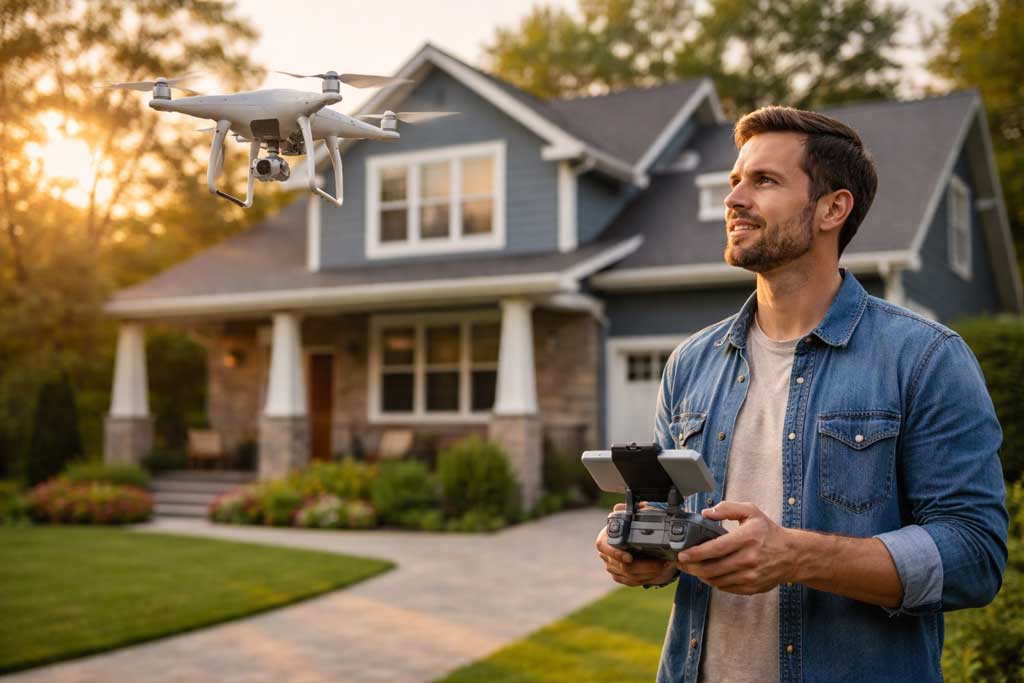
Drones have slipped quietly into ordinary life. What was once a niche bit of kit for hobbyists now turns up at village fêtes, on country walks, at the beach and during amateur photography sessions. You see them hovering over cricket grounds, skimming coastlines and, now and then, irritating everyone in the park. That shift matters because drones are no longer just personal toys. They move through shared space, above other people’s gardens, cars and heads.
The public conversation tends to swing between two extremes: drones are either futuristic marvels or a menace. The truth is less dramatic, and more practical. Most problems come not from malice but from ordinary misjudgement, a sudden gust, a drained battery, a pilot who misjudges how quickly a small aircraft can drift into trouble. Once that happens, the issue stops being about gadgets and becomes a question of responsibility.
That is partly why drone insurance has become more relevant outside specialist flying circles. It sits within a broader question about how we handle new technology in public and semi-public spaces. If someone flies regularly, especially near other people or property, it is fair to ask what protection exists if things go wrong. In that sense, insurance is less about paperwork and more about recognising that convenience and risk often arrive together.
A small machine with very real consequences
As drones get cheaper and easier to use, the social etiquette around them matters as much as the regulations. A considerate flyer has to think about more than getting a good shot.
- Who else is using the space?
- Could the flight feel intrusive, even if it is legal?
- What happens if the equipment fails?
That may not be the most glamorous side of drone culture, but it is probably the most grown-up. The real story is not flashy aerial footage. It is the way a small machine changes the expectations of everyone underneath it.
Featured image credit: AI generated.