Taking on an allotment is an exciting step, whether you’re aiming to grow your own vegetables, enjoy more time outdoors, or simply try something new. While enthusiasm often leads the way, one practical factor that deserves careful thought is the size of your plot. The term allotment plot size uk crops up frequently in gardening discussions, and for good reason — it can shape your entire experience from day one.
Understanding Typical Allotment Plot Sizes In The UK
In the UK, a “standard” allotment plot is traditionally around 250 square metres (roughly 10 rods). However, many councils and associations now offer smaller or half plots to meet growing demand and accommodate modern lifestyles. These reduced sizes can range from 125 square metres down to even more compact spaces, depending on the site.
What is a Pole or Rod Measurement?
- Traditionally, allotment plots are measured in rods (or poles). One rod is approximately 25 square metres, making a traditional 10-rod plot around 250 square metres.
- The traditional 10-rod plot was originally considered large enough to provide fruit and vegetables for a family, although today’s plot holders often grow for enjoyment alongside food production.
The National Allotment Society highlights the increasing popularity of smaller plots, particularly for beginners or those with limited time. Their guidance on smaller allotment spaces explains how these plots can still be highly productive while being far more manageable for many people. It’s a useful reference point if you’re weighing up your options.
Why Plot Size Matters More Than You Might Think
It’s easy to assume that bigger is always better, especially if you have ambitious plans. However, the reality can be quite different. Larger plots require consistent upkeep — weeding, watering, planting, and harvesting all take time and energy.
Many gardeners find that a smaller allotment plot offers a better balance between effort and enjoyment. It allows you to stay on top of maintenance without feeling overwhelmed, particularly during peak growing seasons. This can make the experience far more enjoyable and sustainable in the long term.
There’s also the financial aspect to consider. Larger plots may come with higher annual fees, and the cost of seeds, tools, and materials can increase alongside the space you’re managing.
Matching Your Plot To Your Lifestyle
Choosing the right allotment size is less about maximising space and more about aligning with your routine. If you’re working full-time or juggling family commitments, a smaller plot might fit more comfortably into your schedule.
On the other hand, if you have more flexibility or prior gardening experience, a larger plot could provide room to experiment with a wider range of crops. The key is to be realistic about how often you can visit and how much effort you can consistently invest.
The guidance from The National Allotment Society suggests that smaller plots can still deliver impressive yields when planned well. Companion planting, vertical growing, and succession planting all help maximise output without requiring additional space.
Productivity Isn’t Just About Size
It’s worth remembering that productivity depends more on planning than square footage. Even a modest plot can produce a steady supply of fruit and vegetables throughout the year with the right approach.
Raised beds, for example, can help organise your space and improve soil quality. Crop rotation ensures healthier plants, while careful spacing prevents overcrowding. These strategies often prove more effective than simply having more land to work with.
For many gardeners, a smaller allotment plot size UK sites now provide encourages better habits. With less space, there’s a natural tendency to plan more carefully and maintain the plot regularly, which can lead to better results overall.
Community Trends And Changing Preferences
Across the UK, there has been a noticeable shift towards offering smaller plots. Waiting lists remain long in many areas, and dividing larger plots allows more people to get involved in allotment gardening.
This trend reflects changing lifestyles. Not everyone has the time or desire to manage a full-sized plot, and smaller spaces make allotments more accessible to a wider range of people. The National Allotment Society’s insights into this shift reinforce the idea that flexibility in plot size is becoming increasingly important.
Making The Right Choice For You
Ultimately, there’s no single “ideal” allotment size. What works perfectly for one person may feel unmanageable or limiting to another. Taking the time to consider how you’ll use the space, how often you can visit, and what you hope to grow can help guide your decision.
If you’re unsure, starting smaller is often a sensible approach. It allows you to build confidence, understand seasonal demands, and develop your gardening skills without too much pressure. You can always expand later if the opportunity arises.
Ultimately, the best allotment plot size UK is the one you can enjoy and maintain. Whether you choose a compact starter plot or a traditional 10-rod allotment, thoughtful planning and regular care will reward you with fresh produce, improved wellbeing, and the satisfaction of growing your own food.
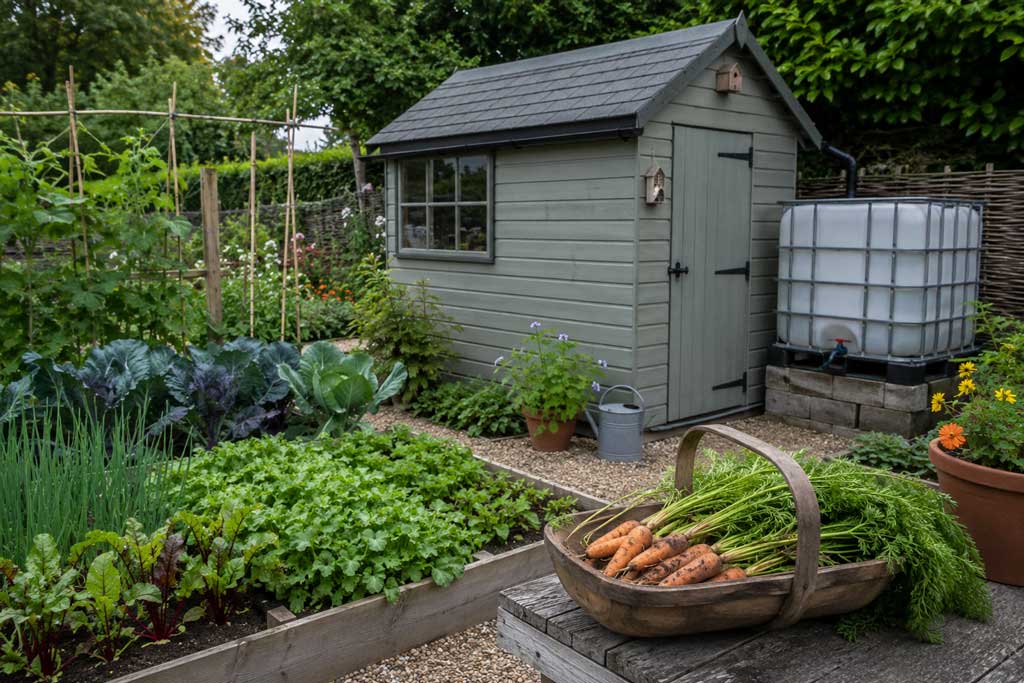
Featured image credit: AI generated.